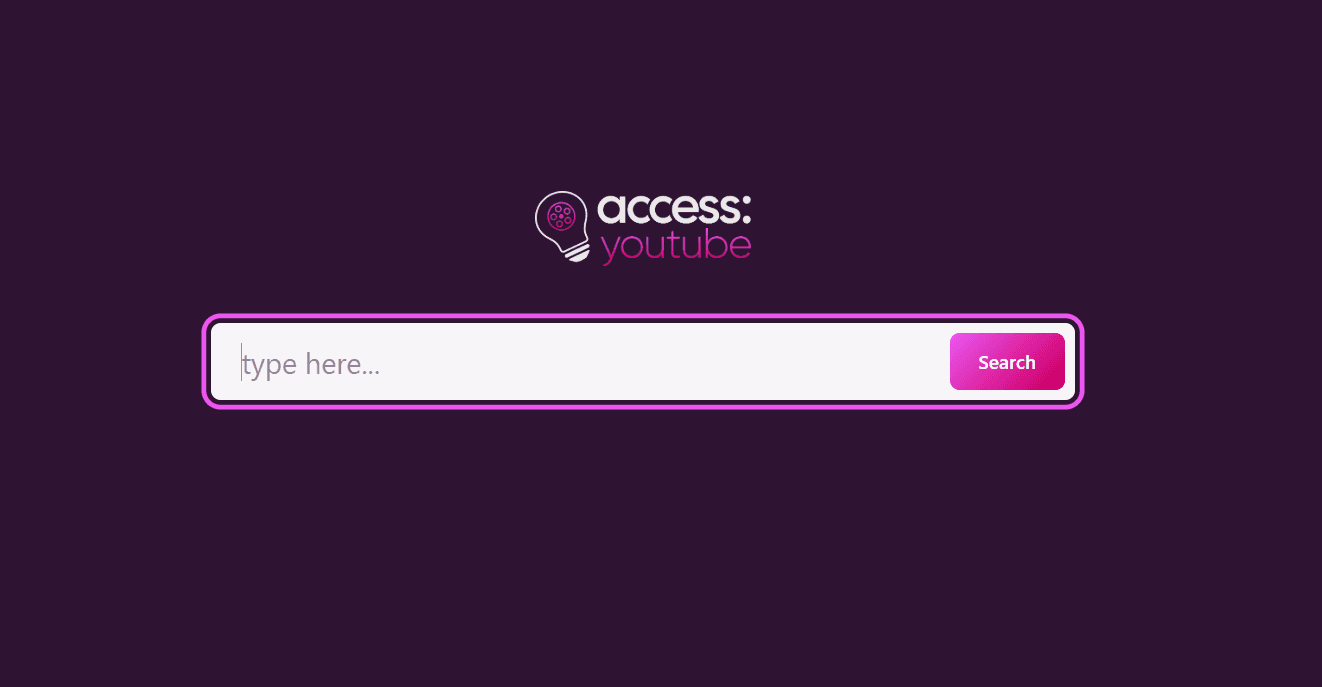
Now in its 5th iteration, 15 years after its original inception, access: youtube has a shiny new look for 2025. It's been completely rebuilt from the ground up; the site is in 'dark mode' and is very mobile-friendly, you can even install it as an app!
It's fair to say this web appliction has been the launch pad for my assistive technology career, and consequently the company and team at access: technology. Working at Henshaws College, I could see students needing support to search and play videos during their IT Club, and felt that with some changes to the interface, they may be able to do this independently. So, without any coding knowledge at the time, I thought I'd try to cobble together a solution!
From the first design (using RSS feeds for search results..?) to later using the official Google YouTube API (which they frustratingly revoked without warning due to the accessible features not meeting their 'design requirements') to the latest mobile-friendly version, it has always maintained the same functionality—simple and accessible video searching, with additional safeguarding in place to prevent inappropriate content. It has some key accessibility/usablity features including keyboard shortcuts, hi-contrast and zero visual distractions. The site also prevents 'bad words' from being searched, only allows safe video search results from YouTube and videos play with no adverts or comment section.
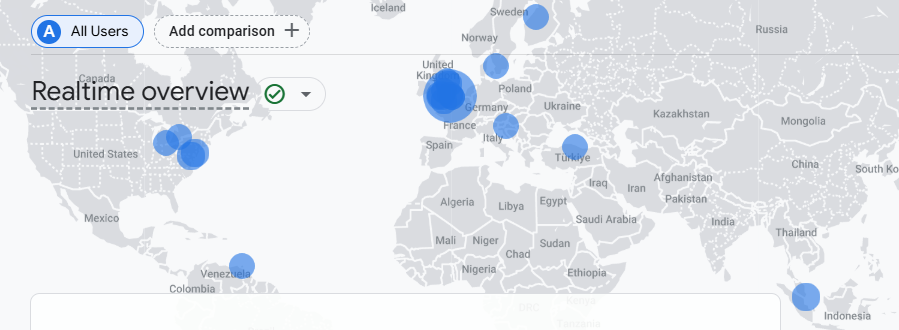
And, to my amazement, this little site I built for ~10 college students has been loved the world over!
Snapshot of real-time users on access: youtube
10,000+ people a month for the last 15 years have used it to search for and watch YouTube videos, and I've always offered it free for anyone to access.
It's been so useful that SmartBox have developed a Grid 3 GridSet for users of their assistive technology software and I continue to receive regular user feedback for improvments to the site - which are always most welcome.
I'm happy to see that access: youtube is still going strong, and will do my best to keep it up and running for the next 15 years. The code is open-sourced on GitHub if anyone wishes to collaborate.
The advent of AI has completely transformed my ability to write web apps; what would typically have taken me weeks only took a few days to build using Cursor. The new rebuild uses React/NextJS - 2 technologies I genuinely know nothing about - but it seems to be the AI's preferred development stack, so I have just let it run with that!
Talk to us about a client
Call 01765 824971 or send us a message. We'll send you our assessment quote and the CV of the consultant who would carry out the assessment.