Vacancy: Assistive Technology Consultant (Summer 2026)
Vacancy: Assistive Technology Consultant
Location: England
Salary: £34,000 per year for Consultant level, or £40,000 per year for candidates appointed at Senior Consultant level. Appointment level will depend on experience, skills and readiness for the responsibilities of the role.
Contract: Full-time
Closing date: 02/08/26 - 23:59
Interview date: 11/09/26 at Aura Business Centre, Manners Road, Newark, NG24 1BS
Start date: October (depending on notice period)
About the role
access: technology is growing, and we are looking for a thoughtful, capable and values-led Assistive Technology Consultant to join our team.
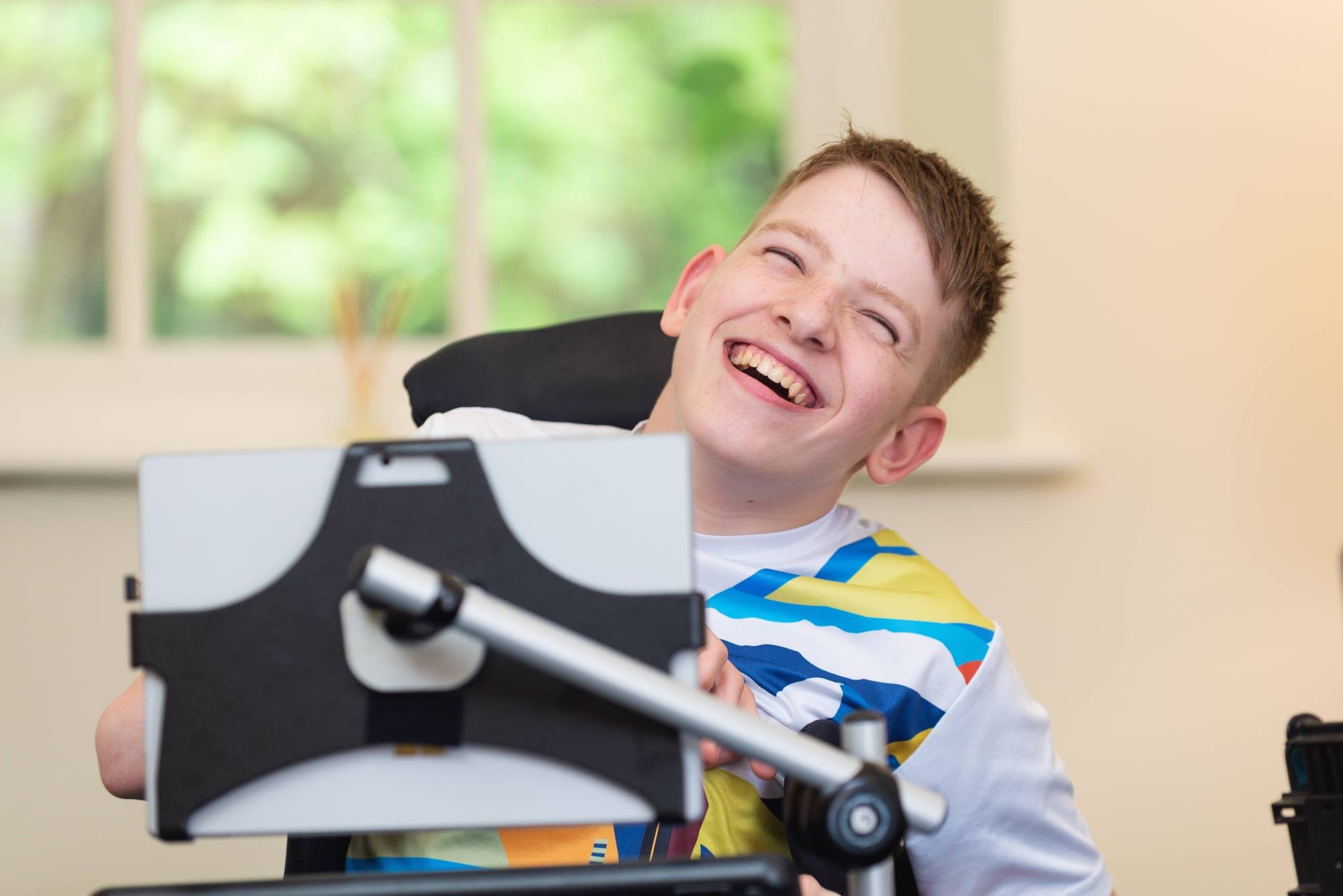
This is a role for someone who genuinely enjoys working with people, solving problems, working with technology, and doing meaningful work. You will support disabled children and adults to access communication, learning, independence, leisure and improved quality of life through the effective use of electronic and digital assistive technology.
Our clients have a wide range of needs and circumstances. This includes people with brain injury, spinal injury, cerebral palsy, autism, epilepsy, hearing loss, sight loss, complex medical needs, communication difficulties, physical disabilities, cognitive difficulties and sensory differences.
Much of our work sits within medico-legal cases, where clients may have a financial settlement or ongoing litigation. That means our recommendations, records and reports need to be clear, well-reasoned, evidence-based and suitable for legal scrutiny.
The right person will be able to understand the client, the environment, the support network, the risks, the barriers and the opportunities, then recommend and take responsibility for implementing practical solutions that make a real difference.
What you will do
As an Assistive Technology Consultant, you will:
- Visit clients in homes, schools, care settings and other real-life environments.
- Carry out detailed assistive technology assessments.
- Identify practical solutions to support communication, learning, independence, leisure and quality of life.
- Set up, configure and support devices, apps, access methods and mainstream technology.
- Recommend and support solutions such as AAC, switches, eye gaze, direct access, joysticks, mounting, environmental controls, smart home technology, tablets, laptops and accessibility features.
- Deliver structured, high-quality interventions that lead to meaningful improvement.
- Provide training to clients, families, carers, schools, case managers and multidisciplinary teams.
- Work closely with families and professionals to ensure a holistic approach.
- Maintain accurate records of your work and decision-making.
- Write high-quality reports with clear, client-centred justifications.
- Manage your own diary, travel, preparation time, report writing and caseload.
- Keep up to date with developments in assistive technology and disability support.
- Contribute to internal training, resources, service development and team knowledge.
- Represent access: technology positively at professional events, outreach activities and community engagement opportunities.
What the work is really like
This is a varied, fast-paced role. No two days are the same.
You might spend one day helping a child access communication at school, another supporting an adult with a brain injury to control their home environment, another reviewing access to gaming or leisure, and another writing a detailed report for a case manager or legal team.
You will need to balance client-facing work, travel, admin, report writing, CPD and internal contribution. A typical full-time consultant caseload may involve around 30 clients, with an expectation that a substantial proportion of working time is spent on client-facing and invoiced work.
You will manage your own diary and workload, while being supported by experienced colleagues, senior consultants and the wider team. Please note that this role involves extensive driving, which is likely to account for around 40% of your working time.
The work requires strong judgement. Sometimes you will need to advocate for a client when services, assumptions or restrictions might be getting in the way. Sometimes you will need to explain a complex technical issue in simple language. Sometimes you will need to recognise risk while still protecting a person’s dignity, autonomy and freedom.
Why this work matters
Assistive technology is not just about tech. It is about helping people do the things that matter to them.
That might mean communicating a choice, participating in school, writing independently, managing routines, controlling a bedroom light, playing a game, accessing exams, making a phone call, listening to music, or being more involved in family life.
Good assistive technology support can change the direction of a person’s life. Our role is to understand the person first, then use technology intelligently to reduce barriers and improve quality of life.
What we are looking for
We are looking for someone who has:
- A degree in a relevant professional field, such as education, health, therapy, IT, psychology, disability support, or a related field.
- Experience working with children and/or adults with additional, complex or disability-related needs.
- Strong technical confidence, including the ability to learn new systems, troubleshoot problems and research solutions.
- Excellent written English and report writing ability.
- Excellent verbal communication skills.
- Strong organisational skills and the ability to manage your own diary and workload.
- Sound safeguarding knowledge.
- Understanding of professional boundaries, confidentiality, and accurate record-keeping.
- A full UK driving licence and access to your own vehicle.
- Eligibility for an enhanced DBS check.
- A genuine commitment to disabled people’s rights, voice, autonomy and quality of life.
We would be especially interested if you have experience with any of the following
- Brain injury.
- Spinal injury.
- Cerebral palsy.
- AAC and communication support.
- Education technology or access to learning.
- Eye gaze, switches, joysticks or alternative access methods.
- Mounting and positioning.
- Environmental control or smart home technology.
- Autism, sensory differences, executive function or cognitive support.
- Sight loss, CVI or hearing loss.
- Epilepsy or seizure-alert technology.
- Medico-legal work.
- Working within multidisciplinary teams.
- Training families, schools, carers or professionals.
- Writing reports that need to withstand professional or legal scrutiny.
You do not need to have all of these. We expect to train and develop the right person.
The kind of person who will do well here
You are likely to thrive in this role if you:
- Put the client’s voice, rights and best interests at the centre of your work.
- Enjoy building trust with clients, families and professionals.
- Can explain complex things clearly.
- Are curious about technology without being distracted by technology for its own sake.
- Can make balanced, well-reasoned recommendations.
- Take responsibility and follow through on commitments.
- Stay calm and professional in emotionally complex situations.
- Ask for help early and respond well to feedback.
- Care about high standards.
- Are willing to challenge poor practice or restrictive assumptions when needed.
- Enjoy being part of a supportive, collaborative team.
- Can work independently without becoming disconnected from the team.
- Are organised enough to balance client work, admin, travel, CPD and report writing.
The kind of person this role will not suit
This role is unlikely to suit someone who:
- Wants a predictable office-based job with little travel.
- Dislikes report writing.
- Finds it difficult to manage their own time.
- Wants every answer to be provided by a fixed protocol.
- Is interested in technology but not people.
- Struggles to receive feedback or reflect on their own practice.
- Is uncomfortable working with families, schools, care teams and professionals in complex situations.
- Finds it difficult to maintain accurate records.
- Does not enjoy learning new technology or troubleshooting practical problems.
Equipment and systems
We provide consultants with the equipment needed to do the role effectively, including a laptop, mobile phone and iPad. These are usually provided during your first week.
We understand that everyone works differently, and we welcome reasonable requests for additional equipment to help you perform your role effectively.
What we offer
Financial benefits
- Salary: £34,000 per year, or £40,000 per year for candidates appointed at Senior Consultant level.
- Bonus scheme, which can be taken as additional income or flexi-time.
- 55p per mile for client-facing travel.
- Travel time as part of your working day.
- Company pension.
Working pattern and flexibility
- A flexible mix of home, office and community-based work.
- Autonomy to manage your own diary and caseload.
- Support from experienced consultants and the wider team.
- A role where professional judgement is valued.
Development and culture
- Excellent CPD opportunities.
- Structured induction and shadowing.
- Ongoing supervision and peer support.
- Team training, case discussion and knowledge sharing.
- Opportunities to contribute to internal training and service development.
- Opportunities to attend industry events and conferences.
- A supportive team culture where people help each other.
- Space to contribute ideas, resources, case studies and improvements to how we work.
Additional benefits
- Holiday entitlement that increases with length of service.
- Birthday day off.
- Option for a mental health “me” day.
- Social events and team activities.
- Free Newby Hall and Gardens season pass for you and guests.
- Pet-friendly office.
About access: technology
access: technology is a UK-wide assistive technology consultancy supporting disabled children and adults. We have particular expertise in brain injury, complex needs and medico-legal work.
We believe assistive technology should be person-centred, practical and rooted in real life. Our work is not simply about independence as an abstract goal. It is about autonomy, communication, participation, enjoyment, rights, dignity and quality of life.
We are a growing, values-driven company with a strong reputation for thoughtful, high-quality work. Our consultants are trusted to make good decisions, supported by experienced colleagues and a collaborative team.
Recruitment process
Our recruitment process is designed to help us understand your skills, values and judgment, while also giving you a clear sense of whether this is the right role and team for you.
Only shortlisted candidates will move to each stage.
Stage 1: CV and cover letter
Stage 2: Values alignment survey
Stage 3: Technical task
Stage 4: Interview and presentation
Stage 5: References, DBS and final checks
Indicative dates:
- Applications close: 2nd August 23:59
- Values survey deadline: 10th August 23:59
- Technical task deadline: 21st August 23:59
- Interview day: 11th September
At: Aura Business Centre, Manners Road, Newark, NG24 1BS
Email invites will be sent on 28th August.
- Proposed start date: October (depending on notice period)
How to apply
Please email your CV and a cover letter, in PDF format only, to:
Your cover letter should explain:
- Why you are interested in this role.
- What experience you would bring.
- Why assistive technology matters to you.
- How your values align with person-centred, rights-based practice.
- What you would need to learn or develop to become excellent in this role.
Please use the subject line:
Hi, I’m your new AT Consultant! - [Your Name]
Equal opportunities
We welcome applications from people with different professional backgrounds, life experiences and perspectives.
We are particularly interested in people who can combine strong professional judgement, excellent communication, technical curiosity and a genuine commitment to improving the lives of disabled people.
If you need reasonable adjustments during the recruitment process, please let us know when you apply.
Ready to explore how assistive technology can help?
Our team of experts is here to provide personalised advice and solutions.
Contact us today for a friendly, no-obligation discussion about your needs.
Related Articles
The Readiness to Learn Ladder in Assistive Technology Intervention
Effective assistive technology (AT) intervention is not just about selecting the right tool, but about ensuring the learner is ready to use it. The concept of Readiness to Learn (RTL) provides a simple but powerful lens: before introducing new tools or strategies, we must ensure the learner’s body, mind, and environment are in a state where learning is possible. Drawing on models like HAAT, SETT, and the Participation Model, we can frame RTL as a ladder of precursors: The RTL Ladder 1. Seati

08/09/2025·2 min read