Type anything into Google about smartphones, digital wellbeing, healthy digital habits, addiction… You will scroll through the millions of links, all clawing for your attention, and you will notice a common phrase, “Smartphones are the new cigarette” or, “Smartphones are our era’s cigarette”.
Smartphones are a wonderful tool that connects us to old and new friends, keeps us in touch with family and gives us shopping, banking, entertainment and lots more at our fingertips.
But with this level of connectivity, we are available 24/7 for notifications, pop-ups, and advertisements, we are tempted to click, like, swipe and subscribe to all the colourful, exciting and enticing things that pop up on our phone screens. These little ‘dings’ can cause an unhealthy relationship with our smartphones.
Every time the screen lights up or the ringtone ‘pings’ we get a little hit of dopamine. The more notifications and appealing images we see, the more dopamine hits we get. Resulting in the potential development of an addiction to our smartphones. We may start to crave what we hear and see on our smartphones. We may interact with our smartphones for longer and longer periods of time, attempting to get that feel good rush.
But often the opposite happens and we may be left feeling out of balance. We may experience low moods, low self-esteem, feelings of loneliness and insecurity.
The good news is, Smartphone companies are realising the potential negative effects overuse of their devices can have. Many new devices have a whole range of tools and settings built in to the software that allows you to regain some digital balance. Screen time limits, parental controls, DNS settings are just several of the options you can explore to help you regain a healthy balance between your life and your devices.
But we’ve stumbled upon one you may not have heard of…
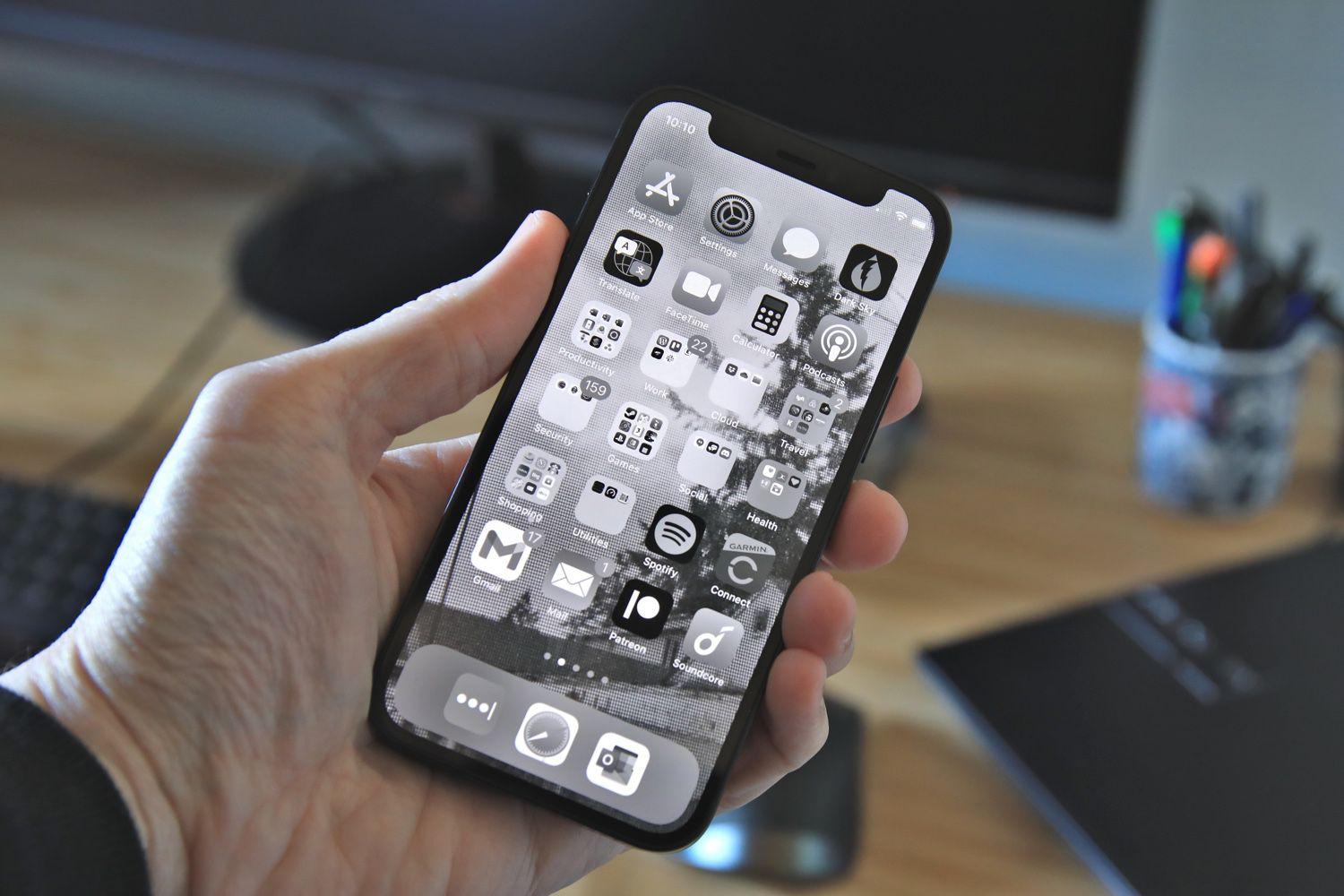
Tristan Harris is a former Google employee and founder of the Centre for Humane Technology. He found that turning a phone’s screen to greyscale removes all the positive reinforcements an individual gets from looking at their bright, colourful and vivid screens. It dampens the urge to spend lots of time on your phone.
Essentially, turning your phone screen to greyscale makes it much less fun to use. Gone are the pretty pictures, eye-catching thumbnails and red blob notifications. Games lose all their visual appeal and Instagram starts looking like a drab newspaper.
Boring and dull = less time spent on your phone!
You may find yourself only using your phone for when you really need to use it. Replying to messages, checking emails and doing some online banking… All completely do-able on a greyscale screen, but you really won’t want to switch over to Instagram to have a 20 minute scroll afterwards!
I have tried this myself, and boy does it work! I completely lost interest in my Pinterest boards, I found myself unlocking my phone, peering down at the greyscale and tossing my phone aside, no app opened, because it did not give me that dopamine hit I was used to. The results were immediate!
Apple devices have this option in the settings. Android phones require a little more settings navigating to find it. But, search your phone in Google with the words “how to turn it greyscale” and you will find the correct menu route for your phone.
Photo credit: Lifewire